

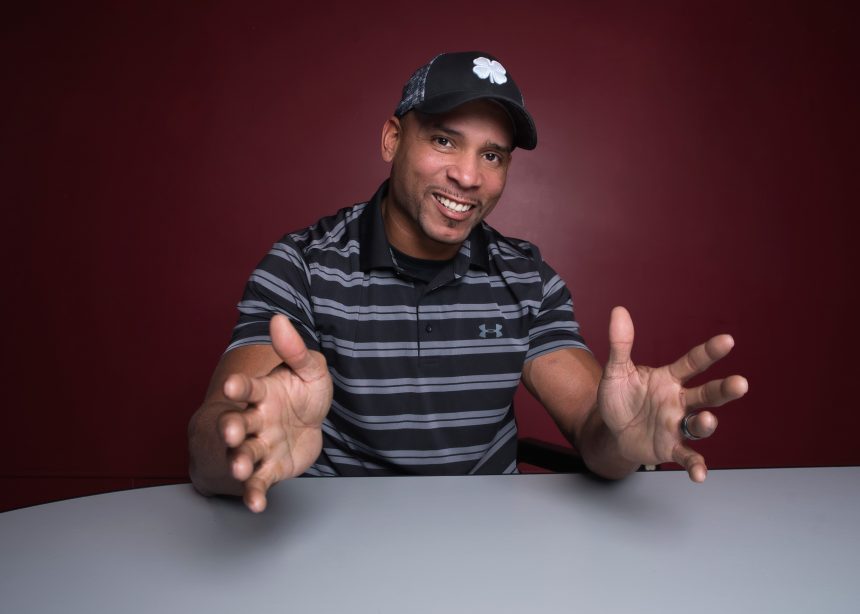
By Quatrell Walker
The future belongs to leaders who act boldly, think strategically, and turn calculated risks into long-term competitive advantage.
In the world of business, the difference between those who dream and those who achieve often comes down to one defining skill: the ability to take calculated risks. Not blind gambles, not reckless leaps, but strategic, informed decisions that balance courage with clarity. For entrepreneurs, leaders, and emerging professionals, this balanced form of risk-taking is what separates long-term success from stagnation.
In Cut From a Different Cloth, the author makes this distinction crystal clear: blind risk is destructive, but calculated risk is transformative. It is the art of assessing your environment, understanding the variables, preparing meticulously, and then stepping forward with intention.
The Misconception of the “Fearless Entrepreneur”
Popular culture paints entrepreneurs as fear-proof daredevils people who leap before they look. In reality, the most successful leaders aren’t fearless. They’re highly aware of risks but they refuse to be paralyzed by them.
Fearlessness is a myth; informed courage is the truth.
Smart entrepreneurs recognize that hesitation and inaction often carry a higher cost than the risk itself. Markets change. Opportunities move. Competitors innovate. Waiting too long is its own form of risk.
Research: The First Pillar of Calculated Risk
Before the author left a stable government job to launch a business, he spent years analyzing market patterns, client behavior, slow-season opportunities, and pricing strategies. The transition wasn’t luck, it was data-driven discipline.
This reflects a fundamental business truth:
You cannot manage what you do not measure.
Effective risk-takers:
- study market gaps
- assess consumer demand
- test small experiments before scaling
- budget for worst-case scenarios
- build agility into their strategy
Calculated risk is built on information, not impulse.
Quick Wins: Small Risks That Build Massive Momentum
One of the most powerful strategies described in the manuscript is the concept of quick wins small, achievable risks that compound into major breakthroughs.
These small successes build:
- confidence
- credibility
- momentum
- resilience
In business, quick wins may look like:
- testing a new offer on a small audience
- running a 30-day marketing experiment
- creating a minimum viable product
- using incentives during slow months
- onboarding early adopters
Each small step reduces fear and increases clarity. Over time, they accumulate into powerful strategic leverage.
The Blueprint: Planning Before Leaping
A calculated risk always has a blueprint behind it.
A risky leap has none.
When transitioning into full-time entrepreneurship, the author constructed a detailed plan that included operational structure, financial safety nets, workflow systems, and client acquisition models. This created a safety cushion that allowed him to leap with confidence instead of desperation.
In business, planning is not bureaucracy, it is armor.
A well-constructed risk mitigation plan includes:
- scenario mapping (best, moderate, worst case)
- resource allocation
- industry benchmarking
- competitive analysis
- contingency strategies
Planning cannot eliminate risk, but it minimizes unnecessary exposure.
When Failure Becomes Data
Even the best leaders miscalculate.
But what differentiates sustainable success from collapse is interpretation.
Failed risks are not:
- character flaws
- signs of incompetence
- evidence that you “should’ve stayed safe”
They are data points.
The manuscript highlights this truth: some risks did not work out, but they provided clarity that allowed for smarter pivots, better client targeting, and stronger service offerings.
A failed experiment is only a failure when the insight is ignored.
Aligning With the Right People
An overlooked dimension of calculated risk is strategic alignment choosing who you learn from, who you trust, and who influences your thinking.
Surrounding yourself with the wrong people amplifies risk. Surrounding yourself with the right people reduces it.
Mentorship, collaboration, and community support turn risk into shared innovation. As the author writes, growth accelerated once he aligned with people who pushed him forward, challenged his thinking, and held higher standards.
In leadership, alignment is leverage.
The Executive Skill of the Future
In an era defined by economic shifts, emerging technologies, and unstable markets, the ability to take calculated risks is no longer optional, it is an executive-level necessity.
Leaders who thrive will be those who:
- analyze fast
- adapt fast
- learn fast
- decide fast
The future will not reward hesitation; it will reward informed boldness.
The Final Thought
Calculated risk isn’t the enemy of success, it is the fuel.
It forces innovation, builds resilience, and reveals possibilities that safety never will.
The entrepreneurs who rise in this new era won’t be the ones playing it safe. They will be the ones who prepare thoroughly, act decisively, and trust the process even when the path ahead is uncertain.
Because in business, as in life:
you cannot win the game you’re too afraid to play.
EXPAND YOUR LEADERSHIP
Explore deeper lessons on strategic risk-taking and long-game thinking inside Cut From a Different Cloth—available now on Amazon. https://a.co/d/6uO4xky